Stories from Adullam Nursery & Primary School- Sierra Leone
INTRODUCTION
In many rural communities recovering from displacement and poverty, childhood often begins without structure, stability, or access to early learning. For many families, survival comes first. Education—especially early childhood education—comes later, if at all. This is the story of how Adullam School began, the reality it was built to respond to, and the children whose lives are now beginning to change because of it.
ADULLAM NURSERY & PRIMARY SCHOOL
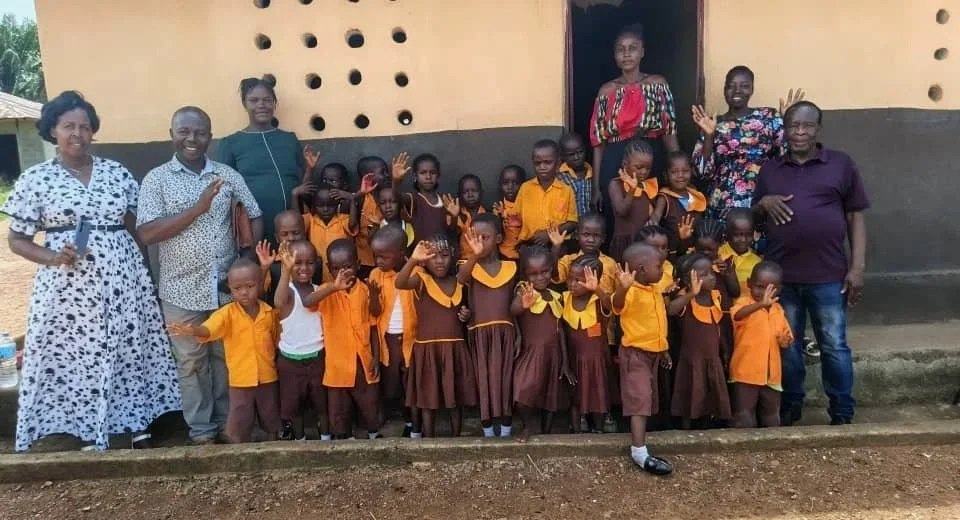
Watchmen School coordinators visit Adullam Nursery and primary school
Adullam School was founded in 2015 by Pastor Ken, a missionary who came to Kailahun village in 2004. While in Kailahun, Pastor Ken encountered a community shaped by displacement and recovery, with a critical gap in early childhood education. Young children had no structured place to begin learning, and there were very few accessible early learning opportunities. As a result, many children were growing up without the preparation needed for a strong start in primary school. As a result, many children were growing up without the preparation needed for a strong start in primary school.
This reality was deeply connected to the wider history of the community. Many families were refugee returnees to Sierra Leone, who had previously fled conflict and spent years living in refugee camps in Guinea. Others included young people whose childhoods had been disrupted by conflict, including former child soldiers who were now trying to rebuild their lives within the community. When families eventually returned home, they did not return to stability.
They came back to:
Limited or no infrastructure
Very few education services
Broken and fragile economic systems
Communities still rebuilding from
displacement
Currently, most parents survive through daily labor in palm gardens and subsistence farming, work that is physically demanding, low-income, and unpredictable. In such conditions, meeting basic household needs often takes priority over education costs, making consistent access to schooling extremely difficult. In this context, early childhood education was not absent because families did not value it—but because it was largely inaccessible.
It was within this reality that Pastor Ken began to respond. He started by informally gathering children and introducing basic learning activities within the community. What began as small, informal sessions gradually developed into a structured nursery school. This became Adullam Nursery & Primary School.
A NEW CHAPTER: ADULLAM SCHOOL TODAY
In January 2026, Adullam School became part of the Watchmen International Nursery School Project, which has strengthened its structure, learning environment, and support systems.
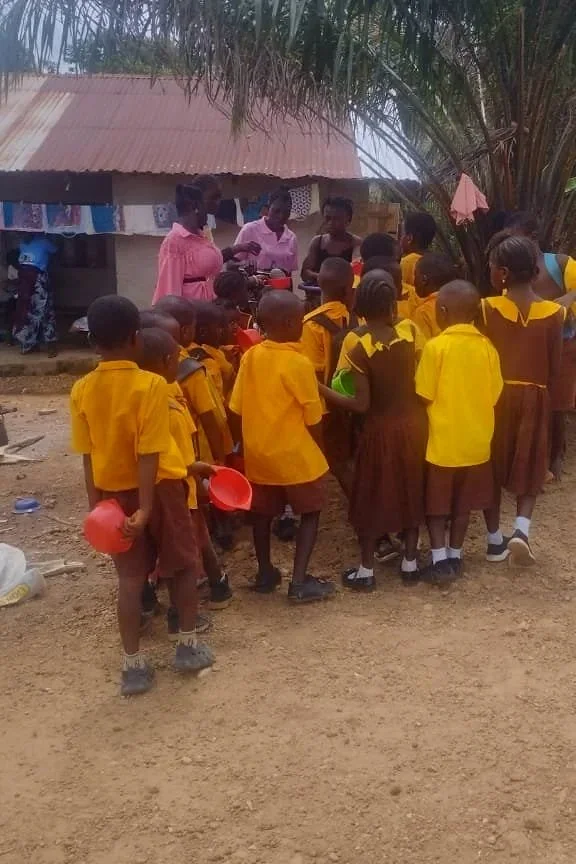
Today, the nursery school provides children with:
A cup of porridge
Structured activities for literacy, numeracy, and development
Is working towards a supportive environment for growth and care
What began as a small community response has now become a growing place of hope for young children.
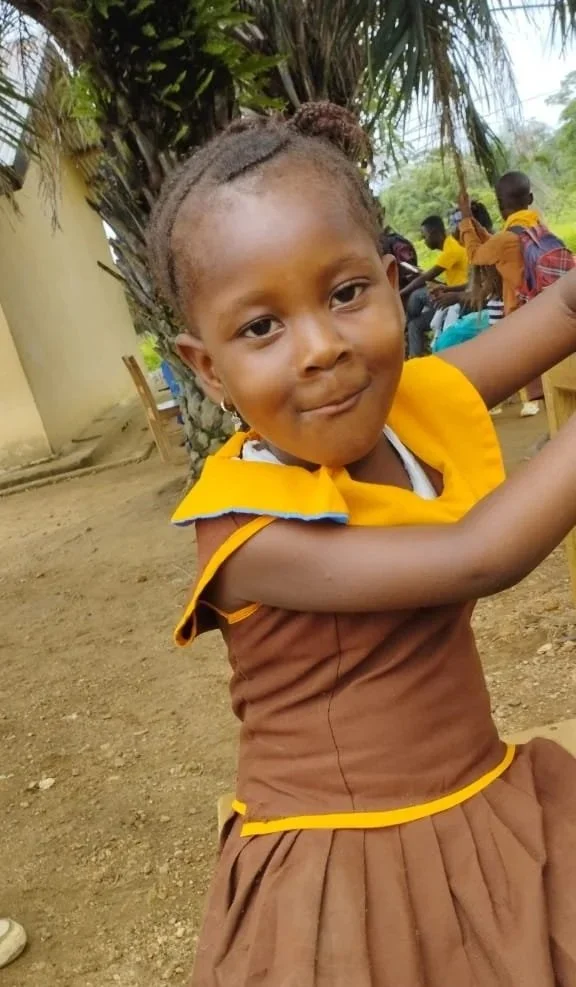
ISATA’S STORY: A CHILD BEGINNING TO LEARN
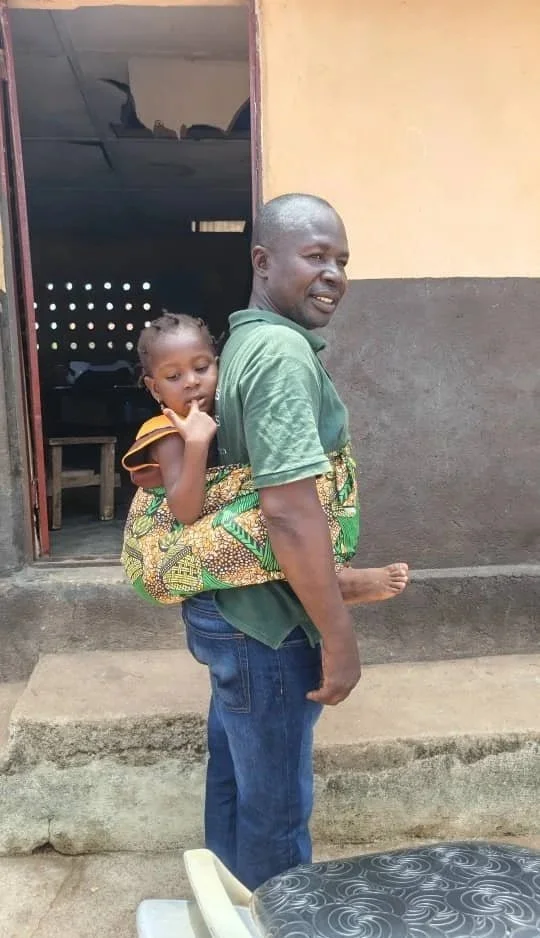
Among the children at Adullam School is Isata.
Isata lost her father at just two years old. She was taken in by her aunt, who was already struggling to care for her own children.
The added burden strained the family, and eventually, her aunt’s husband left.
With so little to go around, school was not possible.
Her world was limited to waiting—watching others go to school without yet having the opportunity to begin her own journey.
When she entered Adullam School, everything changed.
For the first time, she sat in a classroom.
She learned letters, numbers, and songs.
She joined group activities and began interacting with other children in a structured learning environment.
Slowly, her confidence began to grow.
What was once waiting became learning.
What was once uncertainty became possibility.
“I am so grateful to Watchmen for the support they are giving to us. It's going a long way in enabling us to offer a better service to these wonderful children. ” - Ken
CONCLUSION
Adullam Nursery and Primary School began as a response to a community rebuilding from displacement, hardship, and limited opportunity.
Today, it stands as a place where children like Isata are no longer waiting for education—they are experiencing it.
With continued support, it can:
Strengthen early childhood education foundations
Equip teachers with training and resources
Improve learning environments
Expand access to more children in similar contexts
Each investment helps a child begin their education on time.
Be part of Isata story by giving to Watchmen Schools project.
Be part of Isata story by giving to Watchmen Schools project.
